Looking to Sell or Let?
Get started with a free property valuation today.
Property Valuation
"*" indicates required fields


Should you rent your Surrey property furnished or unfurnished?
Furnished rentals are considered to unlock higher monthly rents, yet they are not always the best fit. In general, whether it’s better to rent furnished or unfurnished depends on your property and the tenants it attracts.
Relocating tenants often want to walk into a house that’s ready to live in so prefer furnished properties, which can often achieve higher rental income. Families and other tenants stay longer tend to prefer unfurnished houses, to make the rental property feel like home with their own furniture.
Elmbridge Borough Council statistics show that Elmbridge average monthly rent is the highest outside London, and you may want your property to reach its full earning potential.
Whether you rent out a spacious family home in Esher or Cobham, or an apartment that’s ideally situated for young professionals, read our guide. We set out the pros and cons to help you decide whether it’s better to let furnished or unfurnished properties in Surrey.
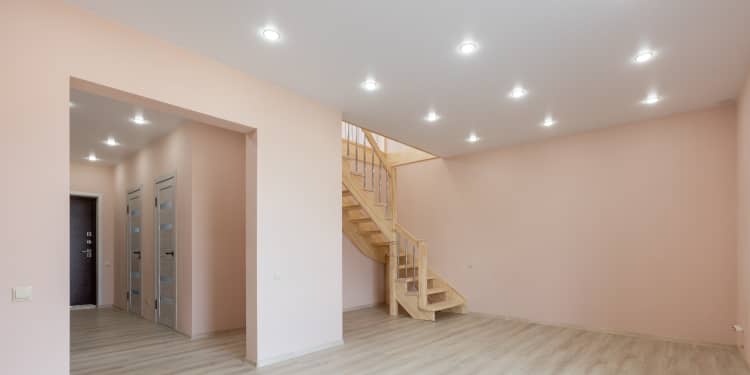
Don’t let the name mislead you, it’s usual for landlords to supply fixtures and fittings in an unfurnished house, such as flooring, fitted cabinets and large appliances. A fully furnished property should also include essential furniture such as chairs, tables, beds and storage. Some landlords offer a part furnished rental property, with just a few larger items of furniture.
In any event, tenancy agreements should take the property’s furnished status into account, setting out tenants’ responsibilities for upkeep. Landlords can also take out more extensive contents insurance to ward against the costs of damage.
| Factor | Furnished | Unfurnished |
|---|---|---|
| Rent potential | Can be higher, depending on property, furniture quality and local demand | May not achieve a higher rent |
| Typical tenants | Students, first-time renters, relocating professionals and expats | Families and settled professionals |
| Tenancy length | Often shorter | Often longer |
| Tenant turnover | Can be higher | Usually lower |
| Upfront cost | Furniture purchase | Fewer items to buy |
| Ongoing cost | Replacement budget for wear and tear | Fewer items to replace |
| End of tenancy cleaning | More work | Quicker |
| Council tax | Check the position with Elmbridge Borough Council | May qualify for relief in very limited circumstances |
| Best suited to | Landlords who want a premium and can fund replacements | Landlords who want stable, long-term tenants and lower costs |
An unfurnished house in Surrey should contain:
A fully furnished property will include all of the fixtures and fittings of an unfurnished property, with the addition of furniture that’s needed for everyday life.
At your discretion, you may choose to provide kitchen appliances (such as a microwave, kettle and toaster), an iron and ironing board, vacuum cleaner, TV or even crockery and cutlery.
A part-furnished let allows landlords to supply only white goods and a cooker, and key items like a dining table, sofa and beds (though there’s no legal definition of what must be included).
The tenant supplies the rest, which can suit professionals and corporate tenants who want to put their stamp on the property without moving larger pieces of furniture from place to place.
This should be clearly agreed on and explained to ensure there is no misunderstanding with the tenant. Be sure to outline what you plan to include, and what isn’t included too.
Whether your target market prefers furnished or unfurnished houses depends on the type of tenant. Families often bring their own furniture with them – they are usually looking for a longer-term home, rather than a base.
However, students, young professionals and renters who are relocating may prefer to move straight into a furnished apartment.
You can charge a higher monthly rent for a furnished property depending on the type of property, furniture quality, and local demand from the right demographics.
Furnished properties are sought-after by shorter-term tenants, first-time renters and relocating professionals.
Long-term tenants like families and settled professionals tend to prefer unfurnished properties. So, keep the local property market in mind when you decide if furnished or unfurnished is better for you – and factor in upfront and replacement costs.
Landlords renting out furnished homes have to ensure that soft furnishings comply with the Fire and Furnishings Act, and budget for replacements due to wear and tear over time.
Tenants can ask for a furnished property to be rented unfurnished, but the landlord isn’t compelled to agree. Make your decision based on the practicalities – how easily your items can be removed and stored, and at what cost? Will letting the property unfurnished have an effect on the rent?
If the tenant makes their request during the tenancy, record the agreed change in writing, and take an updated inventory.
This can play to your advantage in a market where you’ve found it hard to get a tenant for your furnished home. A compromise could help you fill the property and keep earning rent.
The Furniture and Furnishings (Fire) (Safety) Regulations 1988 makes it illegal for landlords to supply upholstered furniture or soft furnishings that don’t meet standards.
Covering new and second-hand furniture, loose coverings and foam fillings, the regulations apply to items like sofas, armchairs, futons, mattresses and cushions.
The standard smoke alarm and carbon monoxide alarm requirements apply to furnished and unfurnished lets alike.
Choose furnished if:
Choose unfurnished if:
Explore our other guides for landlords covering topics such as statutory periodic tenancies, or when you have to pay council tax on a property.
We hope that we have given you food for thought about whether to rent your house furnished or unfurnished. However, it may help to talk things over. Contact Davies Property Partners to discuss your Surrey property. We will gladly lend our expertise in the Thames Ditton, Hinchley Wood and Claygate rental markets.
Homes near the stations at Thames Ditton, Hinchley Wood and Claygate are likely to appeal to relocating professionals, who tend to prefer furnished properties. Spacious family homes in Esher and Cobham may suit unfurnished lets. Demand shifts street by street, so Davies Property Partners can tell you what tenants currently want near your property.
Yes, the gap between tenancies is the easiest time to change. Allow time to source and deliver furniture, then update the inventory and insurance before marketing begins. A change during a tenancy needs the tenant’s written agreement. Compare the extra rent against the furnishing cost and any void period before you commit.
Buildings insurance covers the structure, so a furnished let also needs landlord contents cover for the furniture and appliances you supply. Your tenant’s own belongings stay outside that policy. Give your insurer a full list of what you provide, because a longer inventory raises the sum insured, and ask whether the policy includes accidental damage.
Landlords can usually claim Replacement of Domestic Items Relief when they replace furniture and appliances like for like. The initial cost of furnishing the property does not qualify. Keep every receipt and a note of what you replaced. An accountant can confirm how the rules apply to your ownership structure and accounting method.
You can claim reasonable costs from the tenancy deposit, but only if you can prove the damage. A detailed inventory with dated photographs and a signed check-in record provides that proof. Fair wear and tear is not deductible, so an item that has simply aged will not qualify. Raise any claim through the deposit protection scheme.
No. The Tenant Fees Act 2019 caps the deposit at five weeks’ rent where the annual rent is under £50,000, and six weeks’ rent where it reaches £50,000 or more. Furnishing the property does not raise that limit. Higher-value homes can fall into the upper band, so check the annual rent before setting the deposit.
No fixed uplift exists, because the premium depends on the property type, the quality of the furniture and local demand. Furnished homes tend to command more where relocating professionals want a ready-to-live-in base. Davies Property Partners can compare achievable rents for both options, so you can weigh the difference against your furnishing and replacement costs.
Get started with a free property valuation today.
"*" indicates required fields
If so, contact our friendly team today.
"*" indicates required fields


Do you have to pay council tax on your empty property? Essentially, yes – but your exact council bill depends on a few things. If you’r...

Many key measures of the Renters’ Rights Act 2025 have come into force, with more to follow. Find out more in our Renters’ Rights Act gui...

There are over 170 rules and regulations for landlords to comply with and the recent reforms under the Renters’ Rights Act add further co...