Looking to Sell or Let?
Get started with a free property valuation today.
Property Valuation
"*" indicates required fields


Many homeowners make the decision to downsize their property at some point in life, usually due to a change in circumstances. One of the most common reasons for downsizing is when children grow up and move out of home and the space in longer required, but there are lots of other reasons why people may decide to downsize.
In some cases, people might have a larger property in a more rural area, but they want to live closer to the city to enjoy a different lifestyle. In prime central London locations, properties tend to have less space, while still commanding high prices, so people might need to downsize if they want to move there.
Retirees may also choose to downsize to release equity from their property. Desirable Surrey areas such as Cobham and Hinchley Wood have some of the highest value properties in the country, and downsizing from a large detached to a smaller semi-detached property could release around £800,000 in equity. Another reason retirees might downsize is to reduce the amount of maintenance and cleaning required for a larger property.
Downsizing can be a difficult decision, especially when you have an emotional attachment to the property but there are numerous benefits to doing so.
Read on to find out more about what downsizing involves and the reasons it could be a good option.
The term “downsizing” generally refers to selling a large property to move into a smaller home, but it can also mean selling a more expensive property to buy a lower valued one. As well as potentially releasing equity in a home, downsizing can save money on energy bills and reduce the upkeep such as cleaning, gardening and maintenance.

These are some of the most common reasons for considering downsizing:
If you no longer use all the rooms in your property, downsizing can be beneficial to move to a smaller property that is easier to manage, while also financially benefitting from the proceeds of the sale. You could choose to downsize your house to pay off debt, using the value accumulated in your property to pay off loans, for example.
Another situation where you might consider downsizing is if you are struggling to afford mortgage payments and bills. Some people are forced to downsize their house so that they can repay their mortgage loan and either rent or buy a smaller house with lower mortgage payments and energy bills. Paying off your mortgage could give you more financial freedom and allow you to pay for holidays or gift your children/grandchildren money for a deposit for a house, for example.
Downsizing for retirement is another common scenario, with retirees preparing for their older years in a smaller property with less responsibilities for cleaning and maintaining their home. After retirement, people may prefer to move to a new location with accessible local amenities or move to be closer to family.
Selling a property and moving house is a significant change and one you will want to carefully consider before making your decision. If you are selling a family home, you’ll no doubt have lots of memories attached to your home and you’ll feel comfortable living there. However, the pros of downsizing will usually outweigh the cons, and it could be a much better long term option for you.
Here are some of the factors to consider when deciding whether to downsize:
Any type of house move requires preparation but moving from a larger home to a smaller one has some additional challenges. Here are some tips to make downsizing go smoothly:
Assess your finances – Whatever your main motivation is for downsizing, assessing your finances will help you to plan accordingly. If you are looking to buy another property, you’ll need to know your property budget and costs of moving to make sure you can use the proceeds of the property sale to cover everything you have planned.
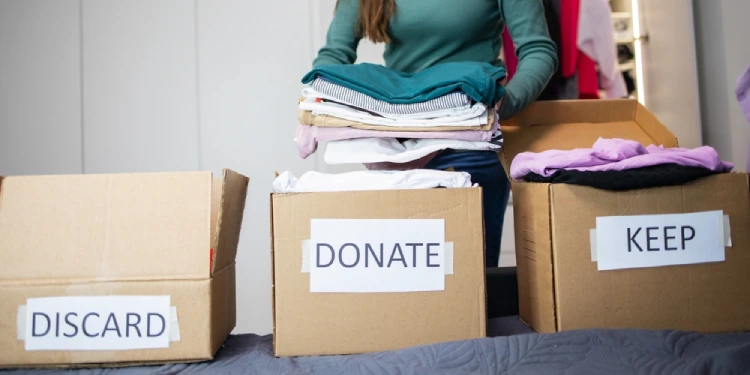
Declutter – When you have lived in a property for many years and have built up a large collection of belongings, there’s a good chance that there won’t be enough room for everything in your new home. You should start clearing out unused items, pass larger sentimental belongings onto family and be ruthless about what you take to your new property, as you won’t want to feel cramped.
Optimise space – Even after decluttering, you might face some challenges when it comes to moving all your belongings into your new home. Take measurements of the space in your new home and consider adding storage space with multi-functional furniture such as a bed with drawers.
If you are buying another property, you will usually need to pay stamp duty if the house value exceeds the stamp duty threshold of £125,000. Your stamp duty rate will depend on the price of the property you buy. As a guide, a £300,000 property would incur £5,000 in stamp duty tax.
Developers of new build properties will sometimes offer to part exchange your home, by purchasing your home from you and using the value against the payment of your new home. This option can remove some of the stress involved in selling a home but developers might not pay as much for your home as you would get by putting it on the open market.
There are many good reasons for downsizing, for both financial and practical purposes, but the most important factor is that it is the right choice for you. Hopefully this guidance will have given you a wider picture of the pros and cons to help you to make the most suitable decision to meet your long term plans. YOur guides can help you work through numerous topics – from what to do if you can’t pay your mortgage, to releasing equity from your home or how to sell your house during divorce.
If you are thinking about selling a property in Surrey areas including Claygate, Bookham or Esher, we can provide you with a valuation to help you to assess your options.
Book your property valuation today.
Get started with a free property valuation today.
"*" indicates required fields
If so, contact our friendly team today.
"*" indicates required fields


Your home is probably your most valuable asset. Are you frustrated by all your money being locked inside that you can’t access? At Davies...

Many couple consider selling a house during divorce, but what are your options – and what happens if you can’t agree? Are there legal and...

How does buying and selling a house at the same time actually work? For many buyers, it’s the default option – but synchronising two tran...