Looking to Sell or Let?
Get started with a free property valuation today.
Property Valuation
"*" indicates required fields


It can be challenging to make a direct comparison between two homes when buying in Bookham.
Here, you could be find a detached 1930s house with a quintessential English country garden, and a Victorian cottage within a short walk of the High Street, with all the period charm (and all the maintenance that comes with it). To help you find your way, get better acquainted with the local architecture and property types before starting your search in earnest.
Look centrally in Great Bookham and you will find late Victorian and Edwardian terraces and semis, built when the railway arrived and the village first expanded beyond its agricultural roots. Surrounding those are the inter-war roads of the 1920s and 1930s, typically offering detached and semi-detached houses with garages.
Beyond that, post-war estates and more recent infill reaches out around the edges. Little Bookham, by contrast, is quieter and more rural, with a smaller number of older properties. What makes Bookham distinct from neighbouring Fetcham and Leatherhead, however, is the way these periods sit alongside each other, to suit varying tastes and budgets.
You’ll happily find a range of properties across Bookham. Here’s a broad picture of what’s available…
Great Bookham Conservation Area covers the village’s historic streets around Church Road and the Parish Church of St Nicolas. The conservation area is designation by Mole Valley District Council to safeguard the historic and architectural character of this part of the village, where the period architecture is older and more carefully preserved.
Within and adjacent to the conservation area, there are listed buildings of note. Grade I-listed St Nicolas Church itself is one of the oldest structures in the village, with origins in the Norman period. There are also Grade II listed properties in the vicinity, including historic farm buildings and others associated with the village’s pre-railway history.

For buyers, a property within or adjacent to the conservation area brings specific planning considerations. Permitted development rights are restricted. In other words, works that would normally be permissible without planning permission on an unlisted house, such as replacing windows, adding a front extension, or changing external materials, may require consent from Mole Valley District Council.
Little Bookham has a more rural setting and a smaller built environment, but nevertheless it has a conservation area of its own to protect the period buildings here. Buyers considering properties in Little Bookham should check the Mole Valley District Council planning portal and the Historic England listed buildings register for any designations affecting specific properties. Its rural setting means that there can be more variation between protected properties’ traits and requirements.
The Victorian streets closest to Bookham station tend to have seen more modification over the decades, meaning original features vary considerably from house to house. A buyer prioritising carefully-preserved character should inspect closely rather than assuming.
Edwardian semis in Bookham have generally fared well in terms of preservation, and many still retain their original bay windows and front elevations, even where the rear has been extended.
Inter-war houses in Bookham represent the most varied category in terms of condition and modification. Some have been carefully maintained with original details intact, while ohers have been comprehensively refurbished. The plot sizes are one of their biggest advantages, making them a natural choice for buyers who want space to extend.
Post-war houses in Bookham are practical and spacious, and they tend to require less ongoing maintenance than period equivalents. While they are less likely to carry the complications of solid wall construction, original drainage, or aging electrical installations, buyers should never assume that age alone guarantees a clean survey.
Want to know more about Bookham? Explore Bookham’s best streets and find out what it’s like living in Bookham.
Bookham is not a significant new build location, but it is not static either. Mole Valley District Council’s local plan allocates approximately 513 net new dwellings to Bookham as part of the district’s wider housing target,by releasing some green belt land. This is a material change for a village that has historically seen only limited new development, and buyers considering properties at the edges of the settlement should check the Mole Valley local plan and any relevant planning applications to understand what may be built nearby.
200 net-zero homes have been approved for Little Bookham, and a pre-application community engagement process is under way for the former Keswick care home site in the Bookham/Eastwick area. Here, Surrey County Council is exploring up to 30 individual self-contained apartments for people with disabilities, including those with mental health conditions. This worth noting for buyers considering properties in that part of the village.
New build flats are relatively unusual in Bookham compared with larger Surrey towns. Buyers who want a new build in Bookham specifically may find the choice limited, nearby parts of the Mole Valley like Leatherhead can offer more choice.
Your chosen property’s period essentially determines its garden size in Bookham. Victorian terraces in the village centre typically have a small rear yard or courtyard garden, with simple paved areas or small gardens at the front. Off-street parking is rarely available without significant modification, and on the narrower streets it may not be possible at all.
Edwardian semis offer more for the keen gardener, or those who enjoy practically living in their gardens in the summer months. Rear gardens on these properties are generally longer than their Victorian counterparts. You may find a side passage for access, though many have been extended into for more internal living space.
Inter-war detached and semi-detached houses are where Bookham’s outside space really opens up. Front drives accommodating one or two cars are the norm, and rear gardens on these roads are often substantial. You may well find mature trees and room for outbuildings, extensions, or both. These plots are a significant draw for families and for buyers who want space to grow into.
Post-war estates are variable. Houses built in the 1950s often have generous gardens relative to their footprint; those from the 1960s and 1970s can be more constrained depending on the density of the original development.
Flat buyers in Bookham should expect communal rather than private outside space in most purpose-built blocks. Some converted flats in larger period houses retain a private garden or terrace, but this is not the norm and should be confirmed during the viewing process rather than assumed.
Bookham’s mix of periods and plot sizes means the right property rests with your own preferences and priorities. If you’d like to talk through what’s available and what to look for, contact us or register as a buyer and we’ll keep you informed as relevant properties come to the market.
Bookham has a varied housing market spanning Victorian terraces, Edwardian semis, inter-war detached and semi-detached houses, post-war estate properties, and a smaller number of purpose-built and converted flats. The inter-war selection offers larger plots and more off-street parking than the older streets closer to the village centre.
Yes, Great Bookham has a designated conservation area covering Church Road and the Parish Church of St Nicolas. Little Bookham has its own conservation area as well. Properties within or close to these areas have restricted permitted development rights, so external works that would normally be allowed without planning permission may require specific consent from Mole Valley District Council.
The great majority of houses in Bookham are freehold. Leasehold applies mainly to purpose-built flats and some converted flats, of which there are relatively few locally. Any leasehold property buyers should check the remaining lease length, service charge, and ground rent terms before buying to avoid unexpected costs or commitments.
The most common issues in Bookham’s older stock include solid wall damp, deteriorating drainage, chimney condition, and aging electrical installations. Surrey’s clay soils also make subsidence worth investigating, particularly where large trees are close to the building. A full RICS Building Survey is advisable, particularly for any pre-war property.
there are plans for 200 net-zero homes off Little Bookham Street on former greenbelt land, and separate proposals for 30 self-contained flats which are still at an early stage. Buyers should check the Mole Valley planning portal for any applications near a property they are considering, especially at the edges of the village.
Get started with a free property valuation today.
"*" indicates required fields
If so, contact our friendly team today.
"*" indicates required fields

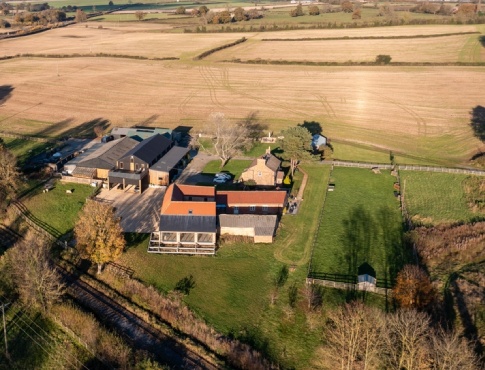
Two streets in Bookham can look almost identical on a map yet differ by tens of thousands of pounds - and knowing why is everything. Fr...
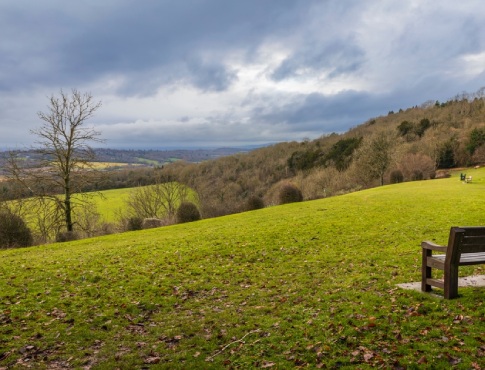
Tucked between the Surrey Hills and a direct line to London Waterloo, Bookham is the kind of village that quietly rewards those who find ...
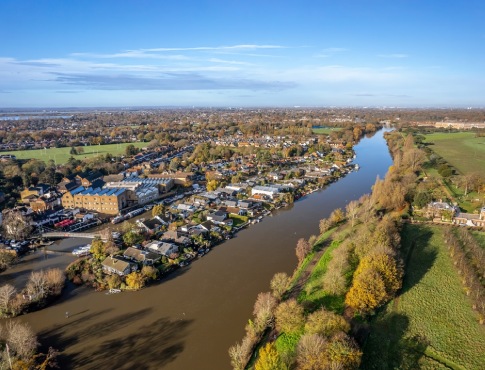
Thames Ditton looks deceptively straightforward on a map - but two nearly identical streets can differ by hundreds of thousands of pounds...